

Meibomian Gland Dysfunction
Meibomian Gland Dysfunction (MGD): Causes, Symptoms & Advanced Treatments
What Is MGD?
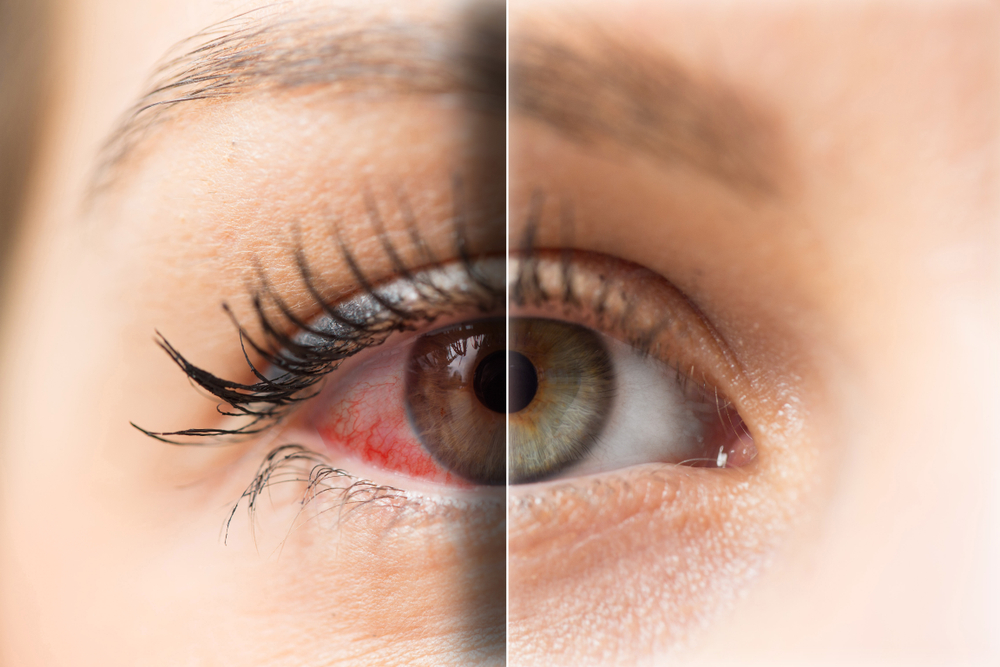
Meibomian Gland Dysfunction (MGD) is a common condition in which the tiny oil-producing glands along the eyelid margins (called meibomian glands) become blocked or do not produce healthy oil. These oils are essential for keeping your tears from evaporating too quickly.
When the glands are not functioning properly, tears dry out faster — leading to symptoms such as:
- Burning or stinging
- Grittiness or sandy sensation
- Redness
- Fluctuating or blurry vision
- Watery eyes
- Contact lens discomfort
MGD is one of the leading causes of evaporative dry eye disease, a chronic but very treatable condition.
Why Early Diagnosis Matters
MGD often worsens gradually over time. If glands remain blocked, the oil inside thickens and gland structure can deteriorate. Early treatment helps:
- Restore healthy oil flow
- Stabilize the tear film
- Reduce inflammation
- Improve long-term comfort and vision quality
The key is identifying the specific cause and severity of your dry eye.
Complimentary Dry Eye Consultation & Advanced Imaging
We offer complimentary dry eye consultations to better understand your symptoms and determine the root cause.
Your evaluation includes:
Meibomian Gland Imaging
We use advanced imaging to take detailed pictures of your meibomian glands. This allows us to:
- See if glands are blocked or shortened
- Identify gland dropout
- Assess the overall health of your oil glands
Tear Break-Up Time (TBUT) Testing
This test measures how quickly your tears evaporate after you blink. A short break-up time indicates tear film instability, which is common in MGD.
These diagnostic tools give us personalized, objective information about your eyes. Instead of guessing, we can design a treatment plan that is specific to your gland health, tear stability, and symptom severity.
Advanced In-Office Treatment Options
When home care alone isn’t enough, we offer advanced therapies designed to heat, liquefy, and restore oil flow in the glands.
TempSure Envi (Radiofrequency Therapy)
TempSure Envi uses gentle radiofrequency (RF) energy to safely heat the eyelids. This controlled warmth:
- Softens thickened oil
- Improves gland expression
- Stimulates healthier gland function
- Reduces inflammation
Treatments are comfortable, non-invasive, and require no downtime.
Low-Level Light Therapy (LLLT)
Low-Level Light Therapy (LLLT) uses specific wavelengths of light to stimulate cellular activity and reduce inflammation around the eyelids. This photobiomodulation therapy can:
- Improve gland function
- Enhance oil quality
- Support tear film stability
LLLT may be used alone or in combination with other treatments for optimal results.
MiBo ThermoFlo (Thermal Expression Therapy)
MiBo ThermoFlo delivers continuous, controlled therapeutic heat to the eyelids through a specialized handheld probe. This treatment:
- Liquefies hardened oils deep within the glands
- Encourages natural gland expression
- Improves tear film stability
It is a gentle, relaxing treatment often performed in a series for best outcomes.
A Personalized Approach to Dry Eye Relief
Dry eye and MGD are not “one-size-fits-all” conditions. Every patient’s gland structure, tear stability, and inflammation levels are different. That’s why we combine:
- Advanced imaging
- Objective tear testing
- Symptom evaluation
- Customized in-office therapies
Our goal is not just temporary symptom relief — but long-term improvement in gland health and tear stability.
Schedule Your Complimentary Consultation
If you are experiencing ongoing dryness, irritation, fluctuating vision, or contact lens discomfort, we invite you to schedule a complimentary dry eye consultation.
With advanced diagnostic imaging and modern treatment options, we can help you feel more comfortable and see more clearly — with a plan tailored specifically to you.

All Eye
Care Services
Keep
In Touch
OFFICE HOURS
- MON-FRI 8:00am - 5:00pm
- SAT-SUN Closed
OPTICIAN AVAILABLE
- MON-FRI 9:00am - 5:00pm
- SAT-SUN Closed
Powered by: 