


Macular Degeneration
We proudly serve the Northern Arizona region and the Flagstaff community with comprehensive, personalized eye care services for patients of all ages.
Macular degeneration, commonly referred to as age-related macular degeneration (AMD), is the single largest cause of sight loss in the developed world and affects more than 10 million Americans. It usually affects people over the age of 60, but it has been known to affect those who are younger. It is a painless condition that usually affects both eyes, with the loss being experienced in the central vision. It does not affect the peripheral vision, meaning that it does not cause total blindness.
What is the macula?
The macula is the most sensitive part of the retina and is responsible for our central vision, which allows us to see fine details with clarity.
Varieties of AMD
Wet AMD
Wet AMD is one variety of the condition in which abnormal blood vessels grow into the macula, leaking blood or fluid, which then causes scarring and a rapid loss of central vision. Wet AMD can develop suddenly, and rapid referral to a specialist is essential, as it can be treated if caught quickly.
Dry AMD
Dry AMD is the most common variety of age-related macular degeneration and is a gradual deterioration of the retina as the cells die off over time and are not regenerated. Up to 15% of people with dry AMD go on to develop wet AMD, and so any sudden changes in your vision should be followed up with your optometrist as soon as possible.
Learn More About PBM for AMD
Symptoms of macular degeneration
Macular degeneration affects each person differently, which means that it can sometimes be difficult to diagnose, particularly as you may not notice any change in your vision early on in the condition. However, as the cells deteriorate, you will start to see an increasing range of symptoms, including:
Distortion or bends in what should be straight lines (such as lampposts or door frames)
Dark spots in your central vision
Fading colors
Difficulty adapting from dark to light environments
Blurred vision
Objects may appear to change shape, size, or color, or may move or disappear
Bright lights may be difficult to tolerate
Words may disappear while you are reading
Is there any way I can reduce my risk of developing AMD?
Unfortunately, there is no clear reason as to what triggers the process that causes macular degeneration. However, you are at an increased risk if you have a family history of the condition or if you are over 60.
Experts suggest that the best thing you can do to minimize any potential risk is to ensure that you live a healthy, active lifestyle. You can do this by:
Stopping smoking
Eating a healthy, balanced diet with plenty of fruit and vegetables
Moderating your alcohol consumption
Maintaining a healthy weight
Getting regular exercise
There is also some limited research that suggests that eating leafy, green vegetables can slow the deterioration of vision in cases of dry AMD.
Treatment & Management Options
While there is currently no outright cure for AMD, modern optometry offers several pathways to protect your sight and improve your quality of life.
For Dry AMD: Protecting Your Vision
The goal for Dry AMD is to slow progression and maximize your remaining sight through non-invasive support:
Photobiomodulation (PBM): A cutting-edge, painless light therapy that uses specific wavelengths to stimulate cellular repair and improve retinal function.
Vision Aids: Specialized tools, such as high-powered magnifiers and task lighting, to make reading and daily activities easier.
Nutritional Support: Specific vitamin formulations (like AREDS2) and lifestyle changes can help maintain long-term eye health.
For Wet AMD: Stopping Progression
Wet AMD requires more immediate intervention to address leaky, abnormal blood vessels:
Anti-VEGF Medication: This is the primary treatment used to stop new, leaky blood vessels from developing, which helps prevent further vision loss.
Laser Therapy: In specific cases (roughly 1 in 7 patients), a highly focused laser is used to seal off leaking vessels and stabilize the retina.
Take the Next Step for Your Vision
Early detection and personalized management are the most effective ways to protect your sight from AMD. Whether you are seeking a first-time assessment or interested in modern treatments like PBM therapy, our team is here to help.
Book Your Comprehensive AMD Consultation Today
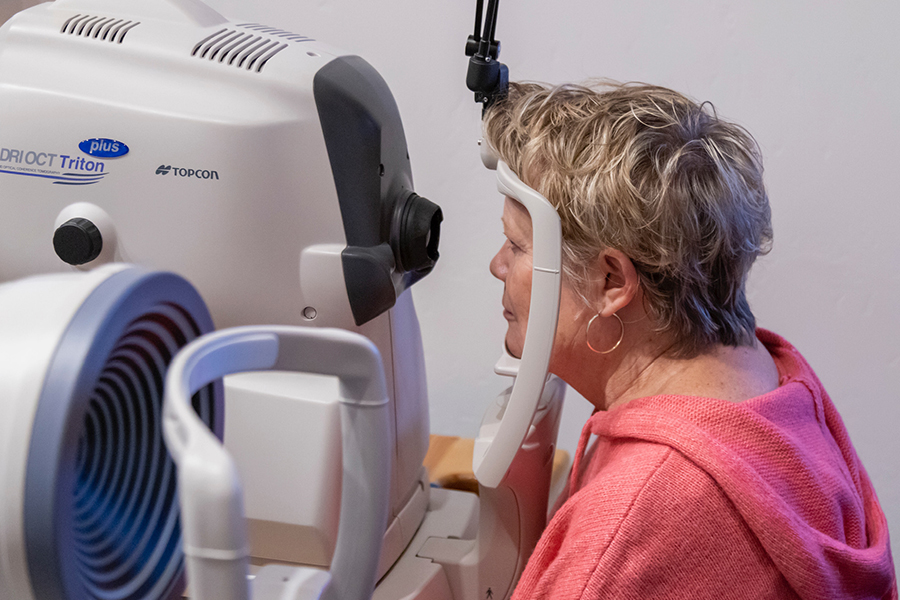
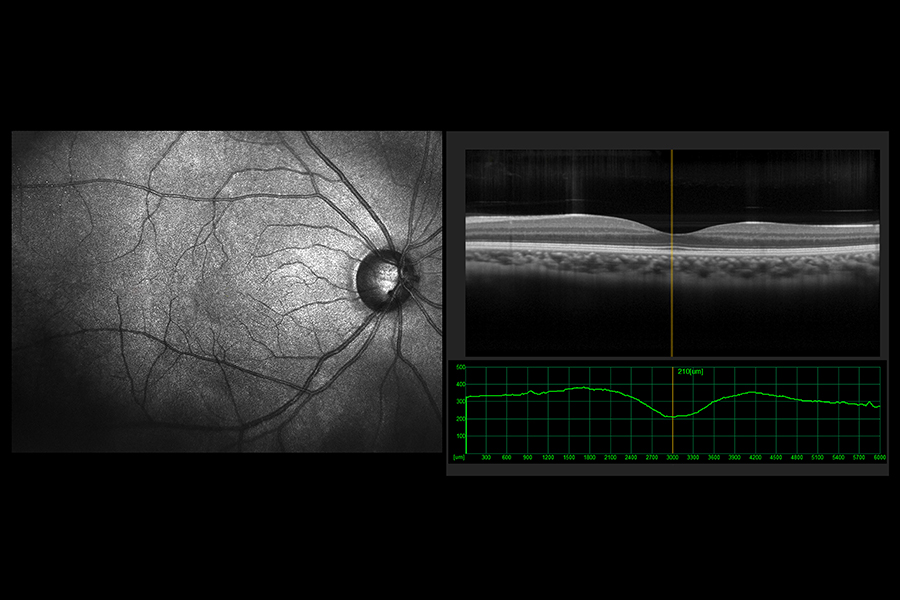
Expert Diagnosis: Detailed retinal imaging to monitor your eye health.
Personalized Care: A treatment plan tailored to your specific type of AMD.
Supportive Environment: Guidance on the latest vision aids and lifestyle adjustments.
Schedule an Appointment
Call Us: (928) 774-7949
Learn More About PBM therapy for AMD

All Eye
Care Services

Keep
In Touch
OFFICE HOURS
- MON-FRI 8:00am - 5:00pm
- SAT-SUN Closed
OPTICIAN AVAILABLE
- MON-FRI 9:00am - 5:00pm
- SAT-SUN Closed
Powered by: 