

What Is Meibomian Gland Dysfunction and How Does It Cause Dry Eye?
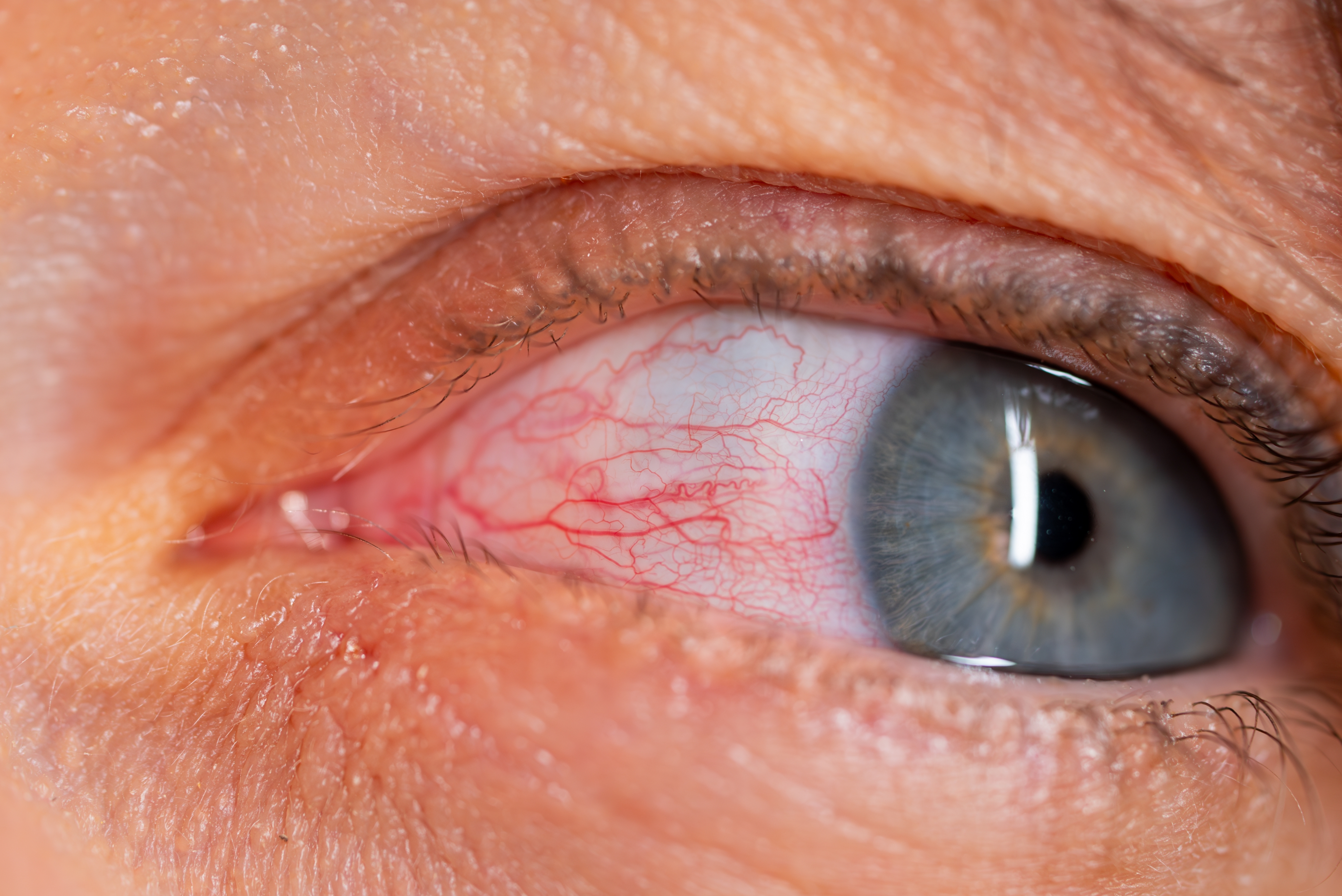
Dry, irritated eyes are not always caused by a lack of tears. In many cases, the problem begins with the oil glands in your eyelids. Meibomian gland dysfunction (MGD) is a leading cause of evaporative dry eye, affecting tear quality and overall eye comfort. At Eye Care Associates in Flagstaff, AZ, we help patients identify and manage this condition through personalized dry eye care.
What Is Meibomian Gland Dysfunction?
Meibomian gland dysfunction occurs when the small oil-producing glands along the edges of your eyelids become blocked or stop functioning properly. These glands produce an oily substance called meibum, which forms the outer layer of your tear film.This oil layer helps prevent tears from evaporating too quickly. When the glands become blocked or produce thickened, poor-quality oil, the tear film becomes unstable. As a result, your eyes lose moisture faster, leading to evaporative dry eye. Without proper treatment, prolonged gland blockage may contribute to inflammation and changes in gland structure.
Common Symptoms of Meibomian Gland Dysfunction
MGD symptoms can develop gradually and may become more noticeable during activities that require prolonged visual concentration. Common signs include:- Burning, stinging, or irritated eyes
- A gritty or sandy sensation
- Redness around the eyes or eyelids
- Blurry or fluctuating vision
- Excessive watering or tearing
- Discomfort when wearing contact lenses
- Dryness that worsens during screen use
What Causes Meibomian Gland Dysfunction?
Several factors can contribute to MGD, including aging, eyelid inflammation, hormonal changes, and certain skin conditions such as rosacea. Extended screen time can also contribute to symptoms because people tend to blink less frequently when using digital devices. Incomplete blinking may prevent the meibomian glands from releasing oil effectively.Environmental conditions can make symptoms worse. In Flagstaff, the dry, high-altitude climate can increase tear evaporation, making healthy gland function especially important for maintaining eye comfort.
How Do We Diagnose Meibomian Gland Dysfunction?
At Eye Care Associates, we evaluate your tear film, eyelid health, and meibomian gland function to determine whether MGD is contributing to your dry eye symptoms. Our diagnostic approach may include advanced meibomian gland imaging to identify blocked or damaged glands and tear break-up time testing to measure tear film stability. These findings help us determine the severity of gland dysfunction and recommend appropriate treatment options.What Treatments Can Help With MGD and Dry Eye?
Treatment focuses on improving oil flow, supporting healthier gland function, and reducing dry eye symptoms. For mild cases, we may recommend warm compresses, eyelid hygiene, and lubricating eye drops. When additional treatment is needed, our Dry Eye Clinic offers advanced options, including MiBo ThermoFlo, TempSure Envi radiofrequency therapy, and Low-Level Light Therapy (LLLT).These therapies are designed to address gland blockages, improve oil secretion, or help manage eyelid inflammation. We customize treatment recommendations based on your symptoms, gland health, and examination findings.
If persistent dryness, irritation, or blurry vision is affecting your daily comfort, schedule a dry eye consultation with Eye Care Associates to explore treatment options for meibomian gland dysfunction. Visit our office in Flagstaff, AZ, or call (928) 774-7949 to book an appointment today.

All Eye
Care Services

Keep
In Touch
OFFICE HOURS
- MON-FRI 8:00am - 5:00pm
- SAT-SUN Closed
OPTICIAN AVAILABLE
- MON-FRI 9:00am - 5:00pm
- SAT-SUN Closed
Powered by: 